
Atas Žvirblys · Estonian Journal of Archaeology, 25(2), 2021, pp. 93–112.
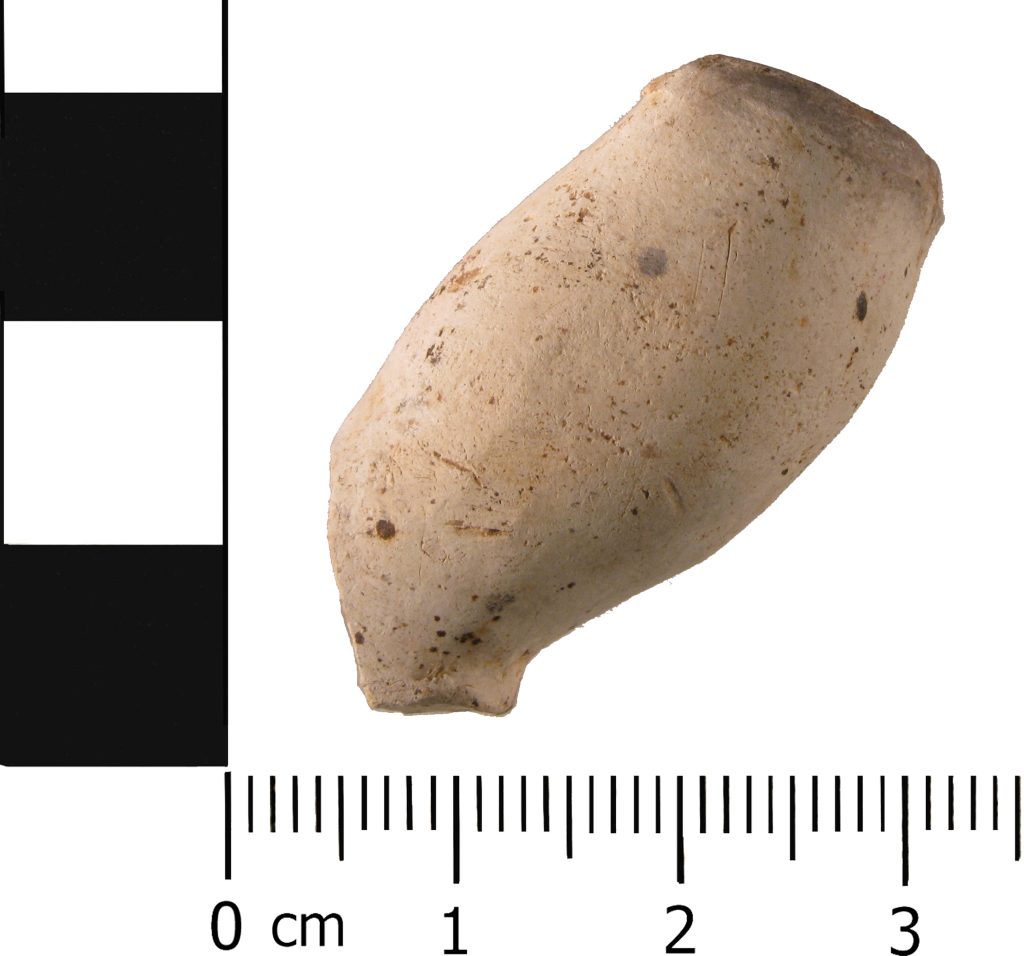
This article examines the earliest clay tobacco pipes identified in archaeological excavations in Vilnius. Drawing on 1,665 fragments, the author combines typology, makers’ marks, stratigraphy and European parallels to establish the chronological limits of smoking in the city.
The evidence indicates that smoking had spread in Vilnius by 1630–1635. The earliest pipes, dated mainly to 1620–1650, were produced in the Netherlands, including centres such as Amsterdam, Gouda, Harlingen and Hoorn/Enkhuizen. The study also identifies the arrival of composite pipes from south-eastern Europe around 1650–1665 and interprets the finds through trade, warfare, the mobility of soldiers and travellers, and social distinctions expressed through decoration and use.
Original article: DOI 10.3176/arch.2021.2.01
PDF: Download the PDF
Open access under CC BY-NC 4.0. The text above is an editorial presentation of the study.